Barbecue Pizza at Home: The Working Guide
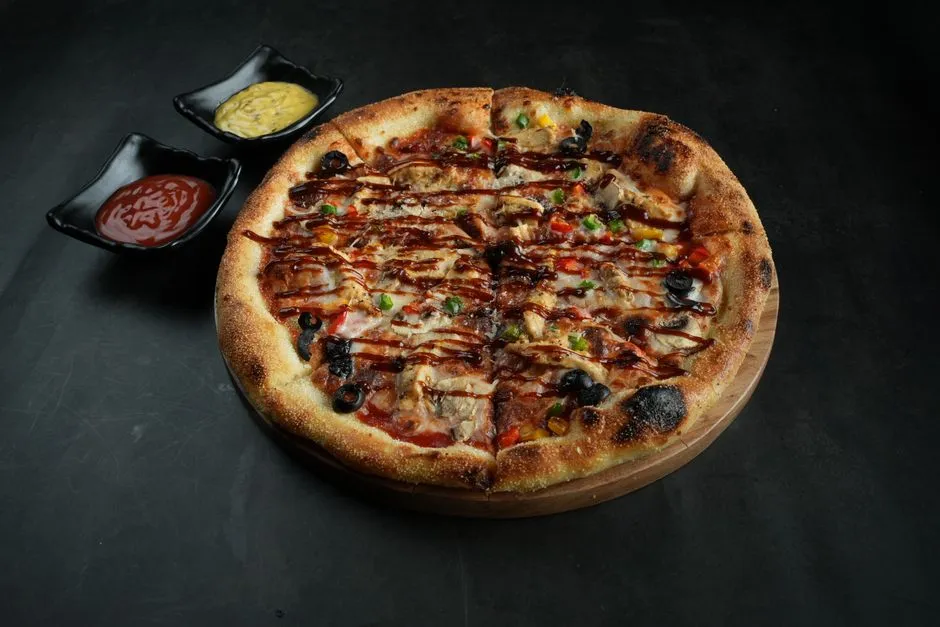
- The Working BBQ Pizza Recipe
- Ingredients for One 12-Inch Pizza
- 1. Choose the Meat Before the Sauce
- 2. Use Barbecue Sauce as a Base or a Finish
- 3. Pick Cheese for Melt First, Accent Second
- 4. Mix and Rise the Dough
- 5. Prepare the Oven and Shape the Crust
- 6. Build in Thin, Even Layers
- 7. Bake by Doneness, Not Just the Timer
- Oven or Grill?
- How to Change the Pizza Without Losing the Balance
- Store Leftovers on the Meat's Original Clock
The Working BBQ Pizza Recipe
For one substantial 12-inch BBQ pizza, make a 65% hydration dough with 300 g bread flour and 195 g water. Top it with 120 g sauce, 220 g cheese, and no more than 150 g fully cooked, drained meat. Bake on a thoroughly preheated pizza steel or rated stone at 500°F (260°C) for about 8-12 minutes, until the base is browned, the centre is set, and refrigerated meat reaches 165°F (74°C).
The order matters. Decide on the meat first, because its smoke, salt, fat, and moisture determine how sweet the sauce can be, how assertive the cheese should be, and whether the finished pizza needs pickles, onion, herbs, or another fresh counterpoint. Barbecue pizza goes wrong when every ingredient is asked to be the loud one.
Ingredients for One 12-Inch Pizza
Same-day dough
| Ingredient | Weight | Baker's percentage |
|---|---|---|
| Bread flour | 300 g | 100% |
| Cool water | 195 g | 65% |
| Fine salt | 6 g | 2% |
| Instant yeast | 2 g | 0.67% |
| Olive oil | 9 g | 3% |
The dough weighs 512 g: 300 + 195 + 6 + 2 + 9. Hydration is 195 ÷ 300 × 100 = 65%. This makes a substantial 12-inch crust that can support barbecue toppings without becoming a bread bowl. For two smaller grilled pizzas, divide it into two 256 g portions.
Sauce, cheese, and toppings
| Ingredient | Weight | Preparation |
|---|---|---|
| Thick barbecue sauce | 60 g | Taste before mixing |
| Plain crushed tomato | 60 g | Drain briefly if watery |
| Low-moisture mozzarella | 180 g | Grated |
| Mild or medium cheddar, Monterey Jack, or more mozzarella | 40 g | Grated |
| Fully cooked barbecue meat | Up to 150 g | Chopped or pulled, excess fat drained |
| Thin red onion | 40 g | Optional |
| Drained pickled jalapeño or chopped dill pickle | 20-30 g | Optional; use one |
| Fresh coriander or spring onion | 5-10 g | Optional; add after baking |
| Fine cornmeal or semolina | 10-15 g | For peel release only |
Suitable meat includes cooked chicken, pulled pork, sliced smoked sausage, or brisket. The topping must already be safely cooked; a short pizza bake is not a reliable method for cooking raw meat. Our smoked brisket pizza gives that leftover its own measured treatment.
Check the barbecue sauce, cheese, prepared meat, pickles, and dough ingredients for allergens relevant to the people eating. Barbecue sauce may also contain ingredients that do not suit a vegetarian or vegan plan. Read the actual labels rather than relying on the colour of the sauce.
1. Choose the Meat Before the Sauce
Begin with 120-150 g cooked meat for a 12-inch pizza. Cut or pull it into small, even pieces so it warms before the crust overbakes. Remove hard chilled fat and drain loose cooking liquid; keep tender rendered fat where it contributes moisture.
Then assess what the meat already brings:
| Meat | Usually contributes | Best adjustment |
|---|---|---|
| Smoked brisket | Smoke, beef fat, salt | Dilute sweet sauce; add pickle or jalapeño |
| Pulled pork | Moisture, richness, seasoning | Drain well; use a sharper sauce or fresh onion |
| Cooked chicken | Mild flavour, lower fat | Coat lightly with measured sauce so it does not dry |
| Smoked sausage | Salt, fat, smoke | Slice thinly; reduce cheddar and very smoky sauce |
These are planning cues, not claims about every recipe. Taste the meat cold from the refrigerator only if it was stored safely and is ready to eat. If its storage history is unclear, do not use it.
For raw meat prepared specifically for the pizza, cook it separately first. FoodSafety.gov's current temperature chart sets 165°F (74°C) for poultry, 160°F (71°C) for ground meat and sausage, and 145°F (63°C) plus a three-minute rest for whole cuts of beef, pork, lamb, and veal. Apply the category that matches the food, then cool and portion it with clean utensils.
2. Use Barbecue Sauce as a Base or a Finish
For the base, mix 60 g thick barbecue sauce with 60 g plain crushed tomato. The 1:1 blend spreads easily and reduces the concentration of sugar, salt, smoke, and spice. Use 100-120 g of the mixture, leaving a 1-2 cm bare rim.
Taste before it reaches the dough. If it is still very sweet or smoky, replace 15 g mixture with 15 g more plain tomato and taste again. If it is thin, simmer briefly until it mounds lightly on a spoon, then cool it completely. Warm or watery sauce weakens the dough surface.
Undiluted sauce can work as a finish instead. Bake with a light tomato base, then brush or drizzle 15-25 g barbecue sauce over the cooked pizza. This keeps a strongly flavoured sauce noticeable without exposing all of its sugar to the full bake.
Our barbecue sauce pizza guide carries the detailed ratios for sweet, vinegary, smoky, and tomato-forward sauces. The principle here is simpler: sauce should connect the meat and crust, not conceal both.
3. Pick Cheese for Melt First, Accent Second
Use 180 g low-moisture mozzarella as the dependable melting base. Add 40 g mild or medium cheddar for more tang, or use Monterey Jack or additional mozzarella for a gentler result.
Cheddar alone can separate more visibly and make a salty meat feel heavier. Smoked cheese may be redundant with smoked meat and smoky sauce. If you want either, use it as a smaller part of the 220 g total rather than adding another layer on top.
Fresh mozzarella holds more water. Drain and blot it, use smaller pieces, and reduce other wet toppings. Plant-based shreds vary in melt, salt, oil, and browning; follow the package instructions and keep the total topping load restrained.
4. Mix and Rise the Dough
Put 195 g water in a bowl. Add 2 g instant yeast, 300 g bread flour, 6 g salt, and 9 g olive oil. Stir until no dry flour remains. Cover for 20 minutes.
With a wet hand, lift one edge of dough and fold it over the centre. Turn the bowl and repeat on all four sides. Rest 15 minutes, then complete another four folds. Cover and leave at room temperature until the dough has expanded by roughly half and looks bubbly, commonly 2-4 hours depending on room and dough temperature.
Shape it into a ball, cover, and rest 45-75 minutes. It is ready to stretch when it feels supple and no longer snaps back immediately. If it is inflating quickly in a hot room, use the visual cues rather than waiting for the longest time.
Flour is a raw food. Do not taste raw dough, and clean hands, bowls, utensils, and floury work surfaces after mixing. The US Food and Drug Administration says processing grain into flour does not kill harmful bacteria and cooking is the safety step.
For a cold-fermented dough, use 1 g instant yeast instead of 2 g, refrigerate it covered for 12-48 hours after folding, then let it warm for 90-150 minutes before stretching. Those are checking windows, not a reason to ignore dough that has already expanded dramatically or begun to collapse.
5. Prepare the Oven and Shape the Crust
Put a pizza steel or pizza stone rated for the intended temperature on the centre or upper-middle rack, following its manufacturer instructions. Preheat the oven and surface to 500°F (260°C) for 45-60 minutes. Never put a cold or damp stone into a hot oven, and do not exceed the surface or appliance rating.
Dust a peel lightly with the measured cornmeal or semolina. Press the dough from the centre outward, keeping a fuller 1-2 cm rim. Stretch over the backs of your hands to roughly 12 inches without making the centre transparent.
Place it on the peel and shake gently. The dough should move as one piece. If a spot sticks, lift that edge and add a small pinch of release flour. Once the dough is on the peel, top promptly; sauce and time both increase sticking.
A preheated steel or stone can cause severe burns. Keep hands clear, use dry heat-rated gloves and a proper peel, and do not reach into the oven to wipe a spill. Clean the surface only after it has cooled fully.
6. Build in Thin, Even Layers
Spread 100-120 g sauce over the dough, keeping the rim bare. Add about two-thirds of the mozzarella. Distribute the 120-150 g meat in small pieces, followed by the onion if using. Finish with the remaining cheese.
Shake the peel again before launching. If it no longer slides, fix the sticking point before approaching the hot oven. Do not add pickle, jalapeño, fresh herbs, sweet glaze, and a second sauce merely because each sounds good separately. Choose one acidic element and one fresh finish.
Tuck some meat beneath the cheese to protect it from direct heat, leaving a few pieces exposed for browned edges. Keep wet pickles and vegetables well drained. A mound of toppings traps steam and delays the centre of the dough.
7. Bake by Doneness, Not Just the Timer
Launch onto the preheated surface and bake for 8-12 minutes. Rotate once with a peel if the oven browns unevenly. The pizza is ready when all of these are true:
- the rim is risen and browned;
- the underside has dark golden spots and supports a slice;
- the centre crumb is set rather than glossy or gummy;
- the cheese is melted and bubbling; and
- refrigerated cooked meat reaches 165°F (74°C) in its thickest pieces.
Use a clean food thermometer and keep the probe away from the stone or steel. The US Department of Agriculture's leftover guidance specifies 165°F for reheated leftovers.
If the crust finishes before the meat heats through, reduce topping size or quantity next time. For this bake, lower the oven to 450°F (230°C), shield the darkest crust edge loosely with foil, and continue until the topping reaches temperature. If the base remains pale, preheat the surface longer next time. If the base burns before the top sets, place the surface higher or reduce the post-launch temperature.
Rest the pizza on a wire rack for 2-3 minutes before moving it to a board. Add the drained pickle, jalapeño, herbs, or a measured barbecue-sauce finish, then cut into six or eight slices.
Oven or Grill?
The kitchen oven is the easier choice for the full 512 g dough and a 12-inch loaded pizza because heat surrounds a stable baking surface. A grill works better with two smaller rounds and a lighter topping load.
For the grill, divide the dough into two 256 g portions and follow our two-zone grilled pizza method. Cook the first side bare over direct heat, move and flip it onto indirect heat, then add no more than 60 g sauce, 100 g cheese, and 80 g cooked topping per 10-inch pizza. The detailed guide covers setup, turning, flare-ups, and shutdown.
Use gas and charcoal grills outdoors only, with the clearances and lighting method required by the manufacturer. The US Consumer Product Safety Commission warns that charcoal in enclosed areas can create fatal carbon monoxide exposure. Never use a grill inside a home, garage, tent, camper, vehicle, or another enclosed or partly enclosed space.
How to Change the Pizza Without Losing the Balance
Use the base formula, then change one axis at a time:
- Sweeter sauce: use less cheddar, choose dill pickle or jalapeño, and skip sweet glaze.
- Smokier meat: dilute the sauce with more tomato and avoid smoked cheese.
- Lean chicken: toss it with 15-20 g of the measured sauce before topping, then subtract that amount from the base.
- Fatty sausage: slice thinly, drain it, and use mozzarella rather than a heavy cheddar layer.
- Meat-free version: use up to 180 g total of browned mushrooms, charred corn, cooked black beans dried well, roasted poblano, or small roasted cauliflower pieces.
- Very wet vegetables: cook and drain them first; do not ask extra cheese to absorb water.
This is a Texas-influenced barbecue pizza, not a declaration that Texas has one official pie. Our Texas-style pizza explainer separates regional ingredients and habits from an invented rulebook.
Store Leftovers on the Meat's Original Clock
Refrigerate finished pizza within two hours, or within one hour when the temperature is above 90°F (32°C). Store it in a shallow covered container. USDA says refrigerated leftovers should generally be used within 3-4 days and reheated to 165°F (74°C).
When the topping was already leftover meat, its first cooking date controls the window. Baking it onto pizza does not reset the 3-4 days. If the meat was cooked three days ago, eat the pizza promptly or freeze it safely rather than granting the topping a new calendar.
The reliable barbecue pizza is built in order: safe cooked meat, sauce adjusted to that meat, cheese chosen for melt, and heat matched to the dough. Once those decisions are made, pick one sharp finish and stop. Restraint leaves room to taste the smoke.