Smoked Sausage Pizza: A Source-Led Two-Pizza Recipe
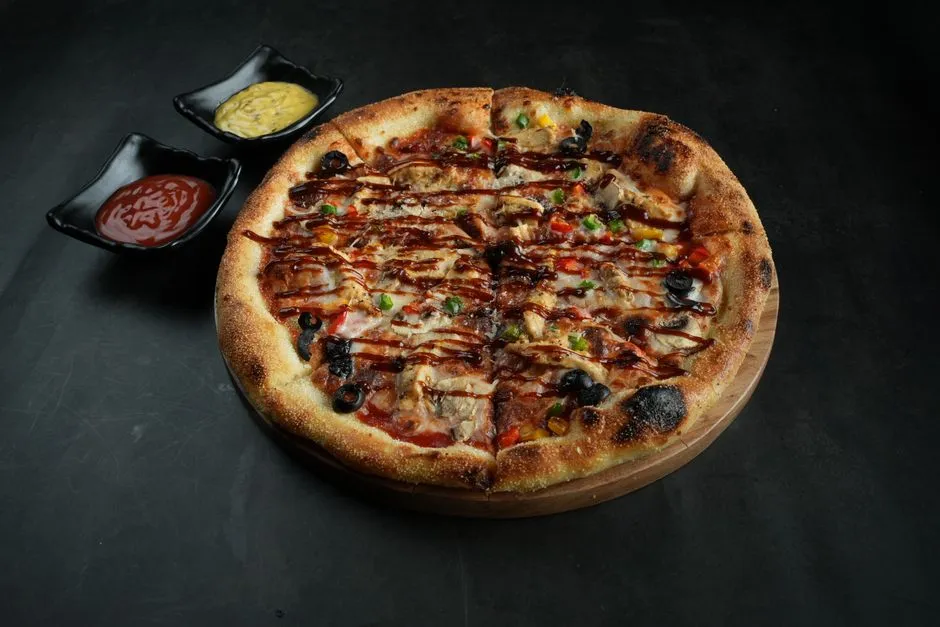
- How do you make smoked sausage pizza?
- Which sausage does this recipe actually use?
- What is the complete two-pizza formula?
- What should you check before assembling?
- Should you render the sausage or change the casing?
- How do you handle the ingredients and hot oven?
- What happens to the remaining slices?
- Sources
How do you make smoked sausage pizza?
Use a recipe that identifies fully cooked sausage and the intended crust, then measure and divide the toppings before assembly. The manufacturer recipe below uses prepared crusts, not raw dough. Keep perishable ingredients at 40°F or below; refrigerate promptly within two hours, or one hour above 90°F. Reheat leftovers to 165°F. Smoking alone does not establish that a sausage is cooked.
The useful starting point is a package, not a regional label. A link bought for its smoky flavour still needs an ingredient list, cooking status and handling instructions. Here is a source-led way to turn that information into dinner, with one complete formula and a short preparation record. We have not kitchen-tested this recipe.
Which sausage does this recipe actually use?
Hillshire Farm links its Barbeque Smoked Sausage Pizza recipe to its 14-ounce Smoked Sausage rope. The product page identifies it as fully cooked and lists pork, beef and mechanically separated turkey, with a beef collagen casing. That is the particular product discussed here, not a claim that every sausage with a similar name has the same composition.
Check the package you actually buy. A family-size rope, an all-beef variant and a cheese-filled link are not automatically the linked product. The manufacturer also says appliances affect heating time and the food must be heated thoroughly before serving. Follow current package instructions if they differ from the website; ask the manufacturer to resolve a conflict before using its recipe.
North Dakota State University Extension's classification table distinguishes uncooked smoked sausage from cooked smoked sausage. Do not use colour or the word smoked as proof of readiness. This article is not a sausage-making or smoking procedure.
For a raw product, choose its appropriate cooking instructions instead of substituting it directly here. FoodSafety.gov's temperature chart specifies 160°F for raw pork or beef sausage, and 165°F for poultry sausage, including mixtures containing poultry. Cook raw sausage separately to the applicable thermometer-verified endpoint before considering it for a different cooked-topping recipe.
What is the complete two-pizza formula?
- One package linked sausage.
- Two prepared Italian crusts: 12 inches, 14 ounces each.
- Prepared barbecue sauce: 2/3 cup.
- Seeded, chopped plum tomatoes: 3/4 cup.
- Thinly sliced red onion: 1 cup.
- One chopped green bell pepper.
- Shredded mozzarella: 3 cups (12 ounces).
- Shredded Parmesan: 1/4 cup (1 ounce).
Heat the oven to 425°F. Slice the sausage diagonally into 1/4-inch pieces. Put the crusts on separate baking sheets. Spread 1/3 cup sauce over each; divide the sausage, vegetables and both cheeses equally between them. The source calls for a 20-minute bake, with a crisp crust and lightly browned cheese as its finish cues. Cut each pizza into eight slices.
Those crust and cheese cues are quality checks, not substitutes for required meat temperatures. Newly opened fully cooked sausage follows its manufacturer's heating directions; previously cooked leftovers must reach 165°F throughout when reheated.
What should you check before assembling?
Keep the shopping list and the equipment check together. Confirm that your prepared crust is compatible with this recipe's oven method. Raw dough is a different starting point: it has its own thickness, handling and baking requirements. Our BBQ chicken pizza with homemade dough provides a separate source-led route; do not combine its dough method with this bake by assumption.
Use the following original planning record. It describes a hypothetical preparation check, not a reported kitchen trial.
| Record field | Example entry | What it settles |
|---|---|---|
| Recipe identity | Hillshire Farm pizza page saved with access date | Which formula is being followed |
| Meat identity | Exact product name and cooking-status wording copied from package | Whether the purchase matches the recipe |
| Crust identity | Package size and baking instructions checked | Whether this is the specified prepared-crust method |
| Allocation | Ingredients separated into pizza A and pizza B portions | Whether one pizza has accidentally received both portions |
| Handling history | Purchase, opening and any previous cooking dates recorded | Whether this is a fresh package or a leftover ingredient |
| Unresolved change | Different sausage bought; manufacturer instructions needed | Why assembly should pause |
The allocation row is particularly useful when two people assemble together. Label two sets of small preparation bowls A and B, then assign one person to each pizza. This is an organisational suggestion, not a claim that bowls improve baking performance. Keep chilled ingredients refrigerated until needed.
Should you render the sausage or change the casing?
Do not add a frying stage merely because another pizza recipe uses one. The selected formula does not instruct a separate rendering step. It also does not direct casing removal. Neither omission establishes a universal rule for other products: consult the maker when a different casing or sausage is involved.
Likewise, this formula does not establish an interchangeable Italian-sausage crumble, a particular Central Texas grind, or a tested jalapeño-cheddar variation. If those are the flavours you want, select a complete recipe written for that combination. The regional-styles collection explores pizza choices without making one topping formula the definition of Texas pizza.
After making a safely handled batch, a useful personal note might read: “Preferred less sweetness next time; find a recipe with a different sauce balance.” Record a preference separately from a diagnosis such as “the crust failed because of the sausage.” One observation does not isolate a cause.
How do you handle the ingredients and hot oven?
Follow FDA's handling guidance: wash hands with soap and water for at least 20 seconds, clean utensils and surfaces, rinse produce, and keep raw meat and its equipment separate from ready-to-eat food.
Read every ingredient label for relevant allergens. Dairy cheese contains milk; check the crust, sauce and sausage individually rather than assuming the recipe is suitable for someone with an allergy. FDA advises label reading and allergen avoidance. Resolve uncertainty before serving, including shared-equipment cross-contact.
Follow oven and bakeware instructions. Use dry oven mitts, keep children and pets away from the hot appliance, and check baking food regularly. Illinois Extension's oven precautions also require keeping an oven-fire door closed and turning off the heat. Do not carry a burning tray or put water on burning grease. If flames escape the oven, leave the home and call 911, as the U.S. Fire Administration directs.
What happens to the remaining slices?
Refrigerate slices in shallow containers rather than waiting for the whole pizza to cool on the counter. FDA's refrigeration guidance explains prompt chilling and why reheating cannot reliably correct unsafe storage.
FoodSafety.gov lists refrigerated pizza for three to four days, at 40°F or below. If an ingredient was already a leftover, retain its earlier handling history and deadline; making pizza does not establish a new starting date. Discard food with an unsafe or uncertain history. Smell, appearance and another bake cannot certify it.
Sources
- Hillshire Farm: linked sausage product and complete pizza recipe.
- NDSU Extension: sausage classification, not home-processing instructions.
- FoodSafety.gov: safe internal temperatures and cold-storage chart.
- FDA: handling, refrigeration and food-allergy guidance.
- Illinois Extension and U.S. Fire Administration: oven and fire precautions.